
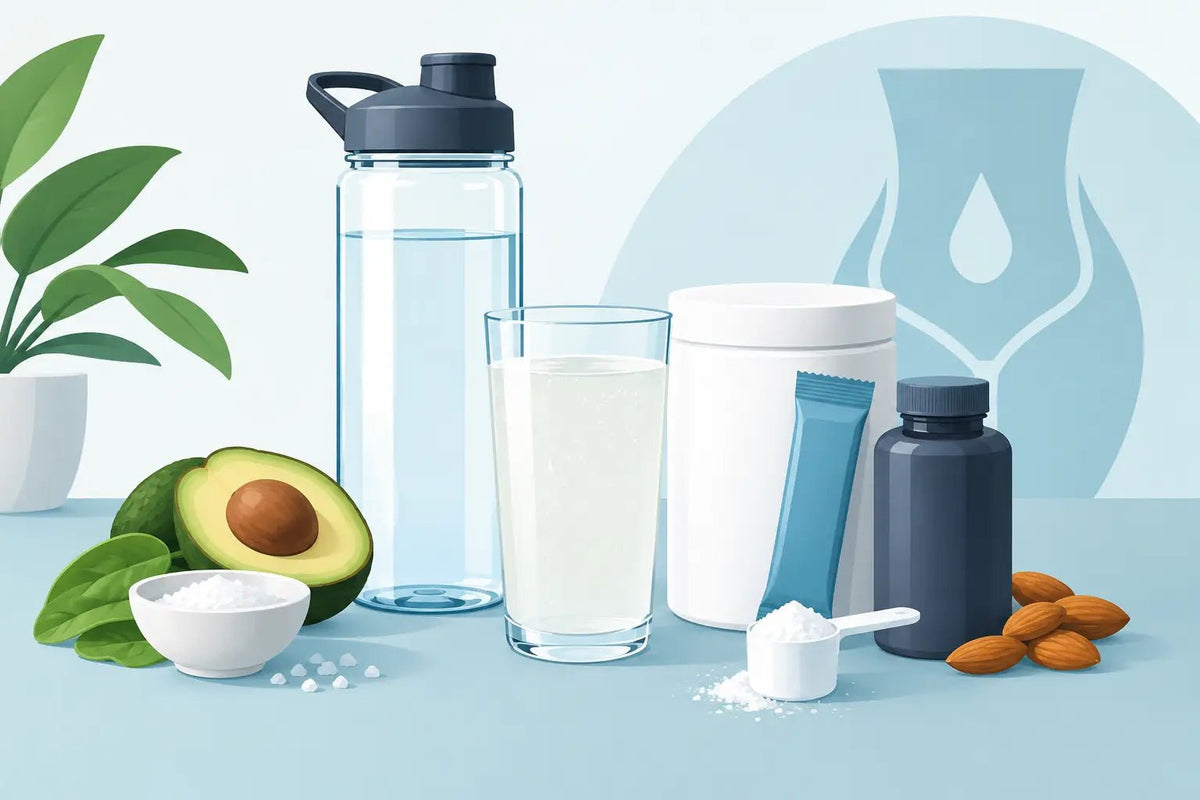
A black coffee and a water bottle can get you through a short fast. But if you have ever hit the mid-afternoon headache, felt flat during training, or found yourself unusually fixated on salty food, you already know hydration is more than plain water. The best fasting hydration products for keto help replace key minerals without loading your drink with sugar, hidden carbohydrates or ingredients that do not fit the kind of fast you are doing.
For keto and low-carb eaters, this matters early on and often. Lower carbohydrate intake changes how your body handles fluid and sodium, so the extra water loss can leave you feeling off even when you are drinking plenty. The right product keeps fasting practical, whether you are doing a simple overnight fast, a 16:8 routine, an occasional 24-hour fast, or training before breakfast.
What makes a fasting hydration product a good fit?
The first question is not which tub, sachet or broth tastes best. It is what you want your fast to achieve. A strict fast may mean water, unflavoured mineral water, black coffee or plain tea only. A more flexible fasting approach may include zero-sugar electrolytes, while a modified fast may make room for collagen, bone broth or MCTs.
There is no need to pretend these approaches are identical. Bone broth contains energy and protein, so it is not a strict fast. MCT oil also contains calories and can stimulate digestion, even though many keto followers use it to support energy during a longer fasting window. The useful choice is the one that matches your goal and helps you fast safely and consistently.
For most keto fasters, the main minerals to look for are sodium, potassium and magnesium. Sodium helps maintain fluid balance and can be especially welcome when you are eating less processed food. Potassium supports normal muscle and nerve function, while magnesium is commonly chosen by people who experience muscle tightness, poor sleep or that wired-but-tired feeling.
A fasting-friendly formula should be low or zero sugar, clearly labelled for carbohydrates, and free from filler ingredients you would rather avoid. Flavour is not trivial either. If a hydration product tastes overly sweet or leaves a chalky finish, it will probably stay at the back of the pantry. Look for something you will happily use in your water bottle, at your desk, in the car or after a sweaty session.
The best fasting hydration products by fasting style
Zero-sugar electrolyte powders and sachets
Electrolyte powders are the most versatile option for regular fasting. They are easy to portion, travel well and make plain water far more appealing when you are tired of sipping it. A well-formulated product provides meaningful sodium alongside potassium and magnesium, without glucose, maltodextrin or a high-carb fruit powder base.
They suit people who fast through busy workdays, walk or train while fasted, or simply notice that water alone is not cutting it. Choose unflavoured if you want the most minimal option, or select a naturally flavoured, sugar-free variety if it helps you drink enough.
Be ingredient-aware here. Some products labelled “electrolyte” are really sports drinks with a small mineral blend and a sizeable sugar hit. Others use sweeteners that are technically low-carb but do not suit everyone’s taste or digestion. Reading the nutrition panel is worth the extra minute.
Electrolyte drops and concentrates
Drops and liquid concentrates are a practical pick for people who prefer to control strength and flavour. Add a small amount to sparkling water, a large bottle of still water or even a mug of hot water with a squeeze of lemon if that suits your fasting rules.
These are particularly handy for regional travel, long drives and hot Australian days, when carrying multiple sachets or ready-to-drink bottles is a nuisance. Concentrates also let you build your intake gradually rather than drinking one large, heavily flavoured serve.
The trade-off is taste. Mineral drops can be quite salty or bitter, especially if you add too much too quickly. Start light, then adjust. The goal is drinkable water, not a punishment shot.
Bone broth for a modified fast
A warm mug of bone broth can make a longer fasting day feel far more manageable. It offers sodium, fluid and a savoury ritual that is especially satisfying when everyone else is having lunch. For keto eaters, it can be a useful bridge between meals or a gentle option after a hard training session.
Still, call it what it is: broth breaks a strict fast because it contains protein and calories. That does not make it a poor choice. If your priority is appetite management, maintaining a low-carb routine, or avoiding an all-or-nothing rebound at dinner, broth may be the more sustainable option.
Choose broths with straightforward ingredients and check the carbohydrate count per serve. Some flavoured varieties include starches, sugar or higher-carb vegetables. A clean, savoury broth earns its place in a fasting pantry because it is both functional and genuinely enjoyable.
Mineral water and plain salt support
Sometimes the best answer is the least complicated one. Sparkling mineral water can add variety and a small mineral contribution without sweetness. For some people, a pinch of quality salt in water is enough to take the edge off a low-sodium, low-carb day.
This approach is inexpensive and easy, but it is less precise than a complete electrolyte blend. Salt provides sodium, not the fuller mix of potassium and magnesium you may want over time. It can work beautifully as a simple backup, especially if you are already getting magnesium and potassium from food during your eating window.
Magnesium products for evening fasting routines
If fasting makes your evenings feel restless, a magnesium-focused product may be useful as part of your wind-down routine. Powders and capsules vary widely in form, dose and added ingredients, so there is no single best choice for everybody.
A flavoured magnesium powder can be a pleasant night-time drink, but check whether it contains sugars, calories or extras that do not suit your fasting approach. Capsules are often the cleanest route if you want no flavouring at all. If you have kidney disease, take regular medication, are pregnant, or have a medical condition, ask your healthcare professional before adding electrolyte or magnesium supplements.
How to choose without overcomplicating it
Start with your most common fasting problem. Headaches, dizziness and low energy often point to fluid and sodium being worth attention. Muscle cramps or twitchiness may lead you to review magnesium and potassium intake. If hunger is your sticking point, a modified-fast option such as broth may be more realistic than forcing yourself through on plain water.
Then consider your routine. A commuter may want single-serve sachets in a work bag. Someone who trains outdoors might prefer a larger tub for daily bottles. If you are fasting intermittently and only use electrolytes a few times a week, a concentrated liquid may last longer and reduce pantry clutter.
Also check the serving size. Some labels make the carbohydrate number look tiny because a serve is small, while the suggested daily use adds up. Look at total carbs, sodium per serve, sweeteners, flavourings and whether the product contains caffeine or other stimulants. Stimulant blends may suit an early gym session but are rarely ideal after lunch.
At Yo Keto, fasting hydration sits naturally alongside low-carb pantry staples, training support and sugar-free drinks. That means you can choose products by function rather than guessing from bright packaging: fasting electrolytes for daily mineral support, broth for savoury modified fasting, or magnesium for an evening routine.
A practical way to use fasting electrolytes
You do not need to sip electrolyte drinks all day by default. Begin with a serve mixed into water when you usually feel the slump - often mid-morning, mid-afternoon or before fasted training. Drink to thirst, keep regular water in the mix, and notice how you feel across several days rather than judging one fast in isolation.
On very hot days, during extended exercise, or after heavy sweating, your needs may be higher. On a quiet day indoors, a full-strength serve may be unnecessary. Individual requirements vary with food intake, activity, climate and medical history, so follow product directions and avoid treating more as automatically better.
The most useful fasting hydration product is the one that fits your definition of fasting, tastes good enough to use consistently and supports your low-carb routine without turning it into hard work. Keep a clean electrolyte option on hand, save broth for the days you need a little more comfort, and let your own routine decide the rest.