
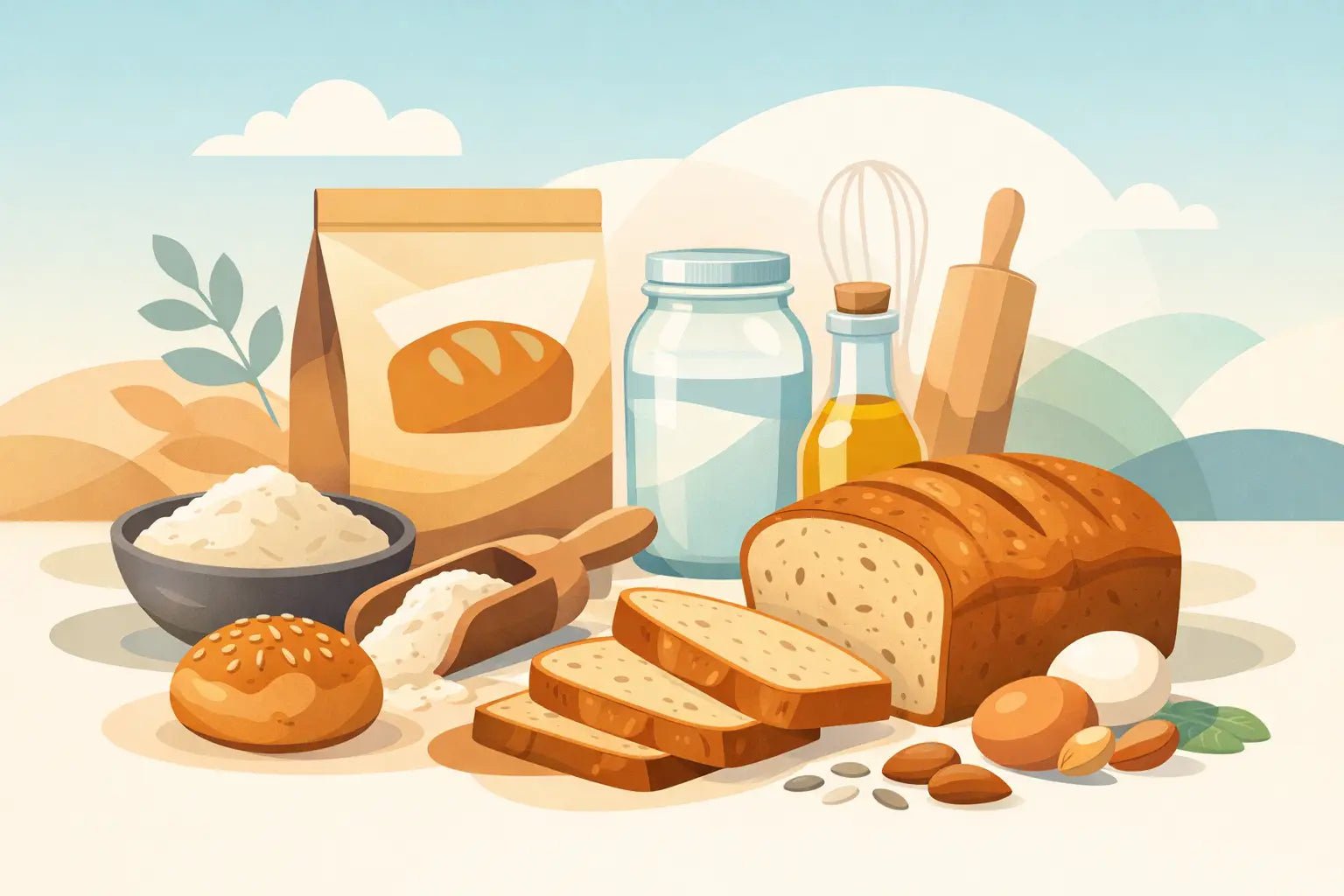
A warm piece of toast with eggs, a proper sandwich at lunch, or a side of garlic bread with dinner can be the food ritual people miss most when cutting carbs. Keto bread mixes bring those meals back into the week without turning every bake into a science experiment. You still get to enjoy the familiar comfort of bread, while having far more control over the carbohydrates, sugars and ingredients on your plate.
For keto, low-carb and LCHF eaters, a good bread mix is not just a baking shortcut. It is a practical pantry staple that can make staying on track feel much less restrictive. The trick is choosing a mix that suits your goals, your taste preferences and how you actually plan to use the loaf.
What makes keto bread mixes different?
Traditional bread is built around wheat flour, yeast and sugar or starches that feed the yeast. It is soft, familiar and affordable, but it is also typically high in carbohydrates. Keto bread mixes replace much of that flour with lower-carb ingredients such as almond flour, coconut flour, flaxseed meal, psyllium husk, lupin flour, seeds, protein powders or resistant fibres.
That change affects more than the nutrition panel. Low-carb ingredients behave differently in the oven. They absorb liquid at different rates, need more structure from eggs or binding fibres, and may produce a denser crumb than a fluffy white bakery loaf. That is not a flaw. It is simply a different style of bread, often with more fibre, protein and satisfying fats per serve.
Some mixes aim for a neutral everyday loaf that works for sandwiches and toast. Others lean into seeds, herbs, cheese-style flavours or high-protein ingredients. There are also options designed for rolls, pizza bases, crackers and focaccia-style bakes. You are in the right place if you want bread without making wheat flour the main event.
How to choose a keto bread mix
The best option depends on what bread means in your routine. If you want something for bacon-and-egg toasties, look for a mix that makes a sturdier loaf and slices cleanly once cooled. For lunchbox sandwiches or a quick work lunch, a milder flavour and softer texture may matter more. If you are baking for a family with mixed eating styles, a seed-free or less overtly keto-style loaf can be the easier sell.
Start with the carbohydrate figure, but read it in context. Check the serving size and decide how many slices you are likely to eat. A very low-carb loaf is helpful, but it still needs to fit your own daily intake and goals. Australian nutrition panels list carbohydrates and sugars separately, so compare both rather than assuming low sugar automatically means low carb.
Then look at the ingredient list. Psyllium husk is common in keto baking because it holds moisture and helps mimic the stretch and structure that gluten usually provides. Flaxseed and chia can add fibre and a slightly nutty flavour. Almond flour tends to bring richness, while coconut flour absorbs a surprising amount of liquid and can create a lighter but more distinct texture. Lupin flour can lift protein content, though its flavour may not suit everyone.
If you manage allergies or sensitivities, check carefully for tree nuts, eggs, dairy, soy and gluten. A keto bread mix can be low in carbs without being suitable for every dietary requirement. Also consider whether the mix needs eggs, oil, butter, vinegar or yeast. These are usually simple supermarket ingredients, but the extra requirements can make a difference when you want to bake on a Sunday afternoon without another shop.
Do you need a yeast-based mix?
Not necessarily. Yeast can add a classic bread aroma and flavour, but it does not guarantee a soft wheat-bread texture in a low-carb recipe. Some mixes rely on baking powder or other raising agents instead, which can be quicker and more reliable for beginners.
A yeast-based mix may be worth choosing if you enjoy a more traditional bakery flavour and are happy to allow time for proofing. For a fast loaf, rolls or savoury muffins, a non-yeast option can be more convenient. Both can earn a place in the pantry.
Bake it once, then make it better
Keto baking rewards following the packet directions the first time. Unlike standard flour, low-carb ingredients are less forgiving when you swap quantities, skip resting time or use a different tin size. Once you know how the loaf behaves, you can start tailoring it to your taste.
Measure liquids accurately and allow the batter to rest if instructed. Psyllium, coconut flour and ground seeds continue absorbing moisture after mixing, so a batter that looks loose at first can firm up quickly. Use the recommended loaf tin where possible. A tin that is too wide can leave you with a short, flat loaf that is difficult to slice; one that is too small may cause the centre to stay underdone.
Give the bread enough time to cool before slicing. This is one of the biggest differences between a neat loaf and a crumbly one. The internal structure continues setting as it cools, especially in fibre-rich bread. If you cut into it hot, the slices can compress or break apart, no matter how good the recipe is.
Ovens vary, so use visual and practical checks as well as the timer. The loaf should feel set through the centre, have a firm crust and smell toasted rather than raw. If the top is browning too quickly, loosely cover it with foil for the final part of the bake. If it seems dry, try a touch less baking time next round rather than adding extra liquid blindly.
Easy ways to use a low-carb loaf
A fresh loaf is excellent with butter, avocado, eggs or a generous layer of sugar-free jam. The next day, toast is often where keto bread really shines: heat crisps the outside and brings back a more familiar bread-like bite. It also holds up well for grilled cheese, open sandwiches, burger-style melts and a quick side with soup or bone broth.
For something different, cut the loaf into cubes, toss with olive oil and herbs, then bake until crisp for low-carb croutons. Stale slices can become breadcrumbs in a food processor, ready for coating chicken, topping a bake or adding texture to meatballs. A bread mix earns its keep when the whole loaf has a purpose.
Storage matters more than you think
Because many keto loaves contain eggs, nut flours and moist fibres, they do not always keep like a shelf-stable supermarket sandwich loaf. Once completely cool, store the bread in an airtight container in the fridge if the packet recommends it. This helps keep it fresh, particularly in warm Australian weather.
For the best everyday option, slice the loaf before freezing and separate slices with baking paper if needed. Then you can take out exactly what you need and toast straight from frozen. It is ideal for busy mornings, remote work lunches or those weeks when meal planning starts strong and gets a bit loose by Thursday.
Avoid judging a bread mix only by how it tastes fresh from the oven. Consider how it toasts, whether it stays together for a sandwich, and whether you will happily eat the last slices. The most useful mix is one that works with your real routine, not one that sits in the back of the cupboard waiting for a perfect baking day.
Build a more satisfying keto pantry
Bread is often the missing link between having keto ingredients and having easy keto meals. Keep a keto bread mix alongside your favourite low-carb spreads, sugar-free sauces, cheese, pantry proteins and snack options, and everyday food becomes easier to pull together. A toasted sandwich can be lunch. A roll can turn leftovers into dinner. A few slices can make a simple breakfast feel properly satisfying.
At Yo Keto, the range is built for exactly that kind of practical choice, whether you are after a classic low-carb loaf, a high-fibre option or something to support a specific baking plan. Choose the mix that sounds good enough to bake again, keep a spare in the pantry, and let bread have a comfortable place in your keto routine.