
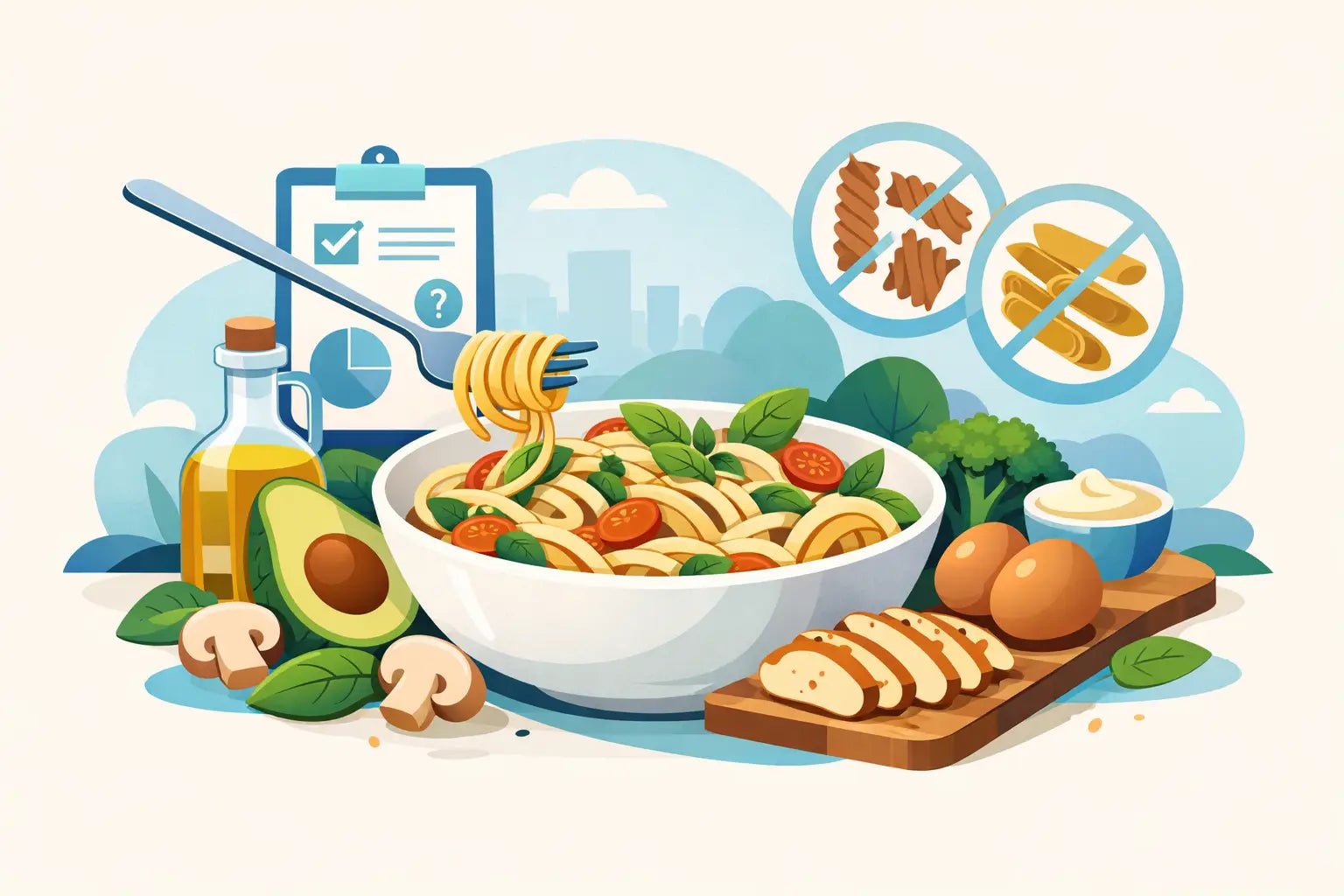
A proper bowl of pasta is about more than the noodles. It is the twirl around a fork, the rich sauce caught in every curve, and the easy comfort of a weeknight meal that feels generous. Keto pasta makes that ritual possible when you are keeping carbohydrates low - but choosing the right alternative matters. Some options are close to traditional pasta in texture, while others are better treated as a fresh, light base for a big-flavoured sauce.
You are in the right place if you want pasta night without the usual wheat-heavy carb load. The trick is to shop with the whole meal in mind: your carbohydrate target, the sauce you love, the cooking time you can spare and, yes, the texture you actually enjoy eating.
What counts as keto pasta?
Keto pasta is a broad label for pasta-style products made with substantially fewer digestible carbohydrates than conventional wheat pasta. Rather than relying on wheat flour, these products may use ingredients such as konjac, lupin, almond flour, eggs, cheese, vegetable fibres, soy or other low-carb plant proteins.
That variety is a good thing, but it means there is no single nutrition profile or cooking method. A konjac noodle is fundamentally different from a dried lupin pasta. One may be almost entirely fibre and ready in minutes; the other may cook, bite and carry sauce more like a classic pantry pasta.
When comparing products, look beyond a bold low-carb claim. Check the nutrition panel for carbohydrate per serving, then consider the serving size being used. For people tracking net carbs, fibre may be relevant to their chosen approach, but Australian nutrition labels already list carbohydrate separately from dietary fibre. It is also worth checking protein, ingredients and sodium, especially if the pasta will become a regular staple.
Choose the pasta alternative for the meal
The most satisfying low-carb bowl starts with a realistic match between noodle and sauce. Expecting every alternative to behave like durum wheat pasta usually leads to disappointment. Choosing it for what it does well is much more rewarding.
Konjac and shirataki noodles for saucy, speedy meals
Konjac noodles, often called shirataki, are made from glucomannan fibre derived from the konjac root. They are very low in digestible carbohydrate and calories, making them a practical choice when you want to keep a meal especially light.
Their texture is springy rather than soft and starchy, and they do not absorb sauce in quite the same way as wheat pasta. They shine with glossy, punchy sauces: chilli garlic butter, sesame and soy-style dressings, creamy carbonara-inspired sauces or a rich bolognese with plenty of parmesan. Rinse them thoroughly, then dry-fry in a hot pan for a few minutes before adding sauce. This removes excess moisture and gives the finished dish a much better bite.
Protein-rich pasta for a familiar dinner plate
Low-carb pasta made with lupin, legumes, soy, eggs or specialised protein blends can offer a more conventional pasta experience. These options are often higher in protein and may have a firmer, more substantial texture. They can work particularly well in baked dishes, tuna pasta bakes, creamy chicken pasta and hearty mince sauces.
The trade-off is that carbohydrate counts vary more widely. Some products are lower-carb rather than strictly keto for every serving size, so the label is the deciding factor. If you have a tight daily carbohydrate limit, measure your dry portion rather than relying on a generous handful from the packet.
Vegetable noodles for fresh, quick bowls
Zucchini noodles, cabbage ribbons and finely sliced eggplant are not packaged pasta substitutes in the traditional sense, but they absolutely earn a place in a keto kitchen. They bring volume, colour and freshness, and are ideal when a rich sauce needs something lighter underneath it.
Zucchini can release water, so salt it briefly or cook it quickly over high heat. Cabbage holds up especially well in stir-fry-style noodle dishes and can be surprisingly satisfying with bacon, garlic, butter and a squeeze of lemon.
Homemade keto pasta when texture is the priority
For a weekend project or a special meal, homemade keto pasta can be the answer. Recipes based on eggs, mozzarella, almond flour, lupin flour or psyllium husk can create ravioli, tagliatelle-style ribbons or lasagne sheets that feel more like an occasion.
Homemade versions take more effort and can be delicate, so they are not always the best choice for a rushed Tuesday night. They also tend to be richer and more calorie-dense than konjac noodles. That is not a problem - it simply depends on whether your goal is maximum fullness, a high-fat meal, a lighter dinner or a close recreation of a family favourite.
How to make keto pasta taste genuinely good
The sauce does a lot of the heavy lifting, but technique matters just as much. Low-carb noodles can be bland or watery if they are treated as an afterthought. Give them the same attention you would give any other key ingredient.
Start with seasoning. Salt the cooking water where appropriate, taste the pasta before serving and build flavour in layers with garlic, herbs, chilli, lemon zest, parmesan or pecorino. A sauce that tastes perfect on a spoon may need a little extra punch once it is tossed through a mild noodle alternative.
Then manage moisture. Konjac benefits from rinsing and dry-frying. Vegetable noodles benefit from quick cooking and a hot pan. Dried low-carb pasta needs careful timing, because overcooking can turn a promising bowl soft or crumbly. Keep a little sauce aside, toss the noodles through it just before serving and finish with cheese or olive oil rather than letting the bowl sit.
Finally, add contrast. Crispy pancetta, toasted pine nuts, sautéed mushrooms, roast chicken, prawns or a handful of rocket can make the meal feel complete. Keto eating does not have to mean a tiny plate of substitute noodles. It can be a satisfying, well-built dinner with protein, fats, vegetables and plenty of flavour.
Build a lower-carb pasta bowl that fits your day
A keto pasta meal can be light and fresh or deeply comforting. If you have had a higher-carb lunch, a konjac-based dinner with prawns, greens and a garlicky butter sauce may suit your plan. If you have trained hard or want a more filling dinner, a protein-rich pasta with slow-cooked beef ragu, cheese and extra vegetables may make more sense.
Be mindful of the extras that can quietly shift the carb count. Jarred pasta sauces, flavoured marinades and some cured meats can contain added sugar or starches. A simple sauce of passata, olive oil, garlic, herbs and minced meat is often easy to control, but even then it is worth checking the passata label. Sugar-free sauces and pantry staples can make weeknight meals easier when you want reliable ingredients without reading every label from scratch.
Portion size still counts, even with a low-carb alternative. The goal is not to make food stressful. It is to know what is on your plate, choose a serving that suits you and leave the table comfortably satisfied.
A few pasta-night ideas worth repeating
For a creamy classic, toss dry-fried konjac spaghetti with bacon, egg yolk, parmesan and black pepper off the heat. The key is to keep the pan from becoming too hot when the egg goes in, so the sauce stays silky rather than scrambled.
For something family-friendly, use a firmer low-carb pasta with a beef and mushroom bolognese. Mushrooms stretch the mince, add savoury depth and pair beautifully with parmesan. A side salad dressed with olive oil and vinegar keeps the meal fresh.
For a lighter bowl, cook zucchini ribbons with garlic and butter just until tender, then add grilled chicken, pesto and a crumble of feta. If your pesto is store-bought, check for added sugar and choose a portion that works with your daily carbohydrate target.
And when you want comfort food, layer low-carb lasagne sheets or thin grilled eggplant with slow-cooked ragu, ricotta and mozzarella. Let it rest before slicing. That small pause helps the layers hold together and makes every serve feel like a proper dinner.
At Yo Keto, the best pasta alternative is the one you will happily cook again. Keep a couple of options in the pantry or fridge, match them to the meals you already love, and let pasta night stay firmly on the menu.