
Erythritol is a sweetener that's gained a lot of love in keto circles, thanks to its ability to mimic the taste of sugar without the carb load. It's found in many keto treats, providing the sweetness we crave without derailing our low-carb goals.
Yet, like many good things, erythritol comes with its nuances. One of the more notable is the cooling effect it leaves behind. You've likely noticed it in your mouth after biting into a keto cookie or sipping a sugar-free soda. This chilly aftertaste can be a bit startling and doesn't always fit the warm, comforting profile of baked goods.
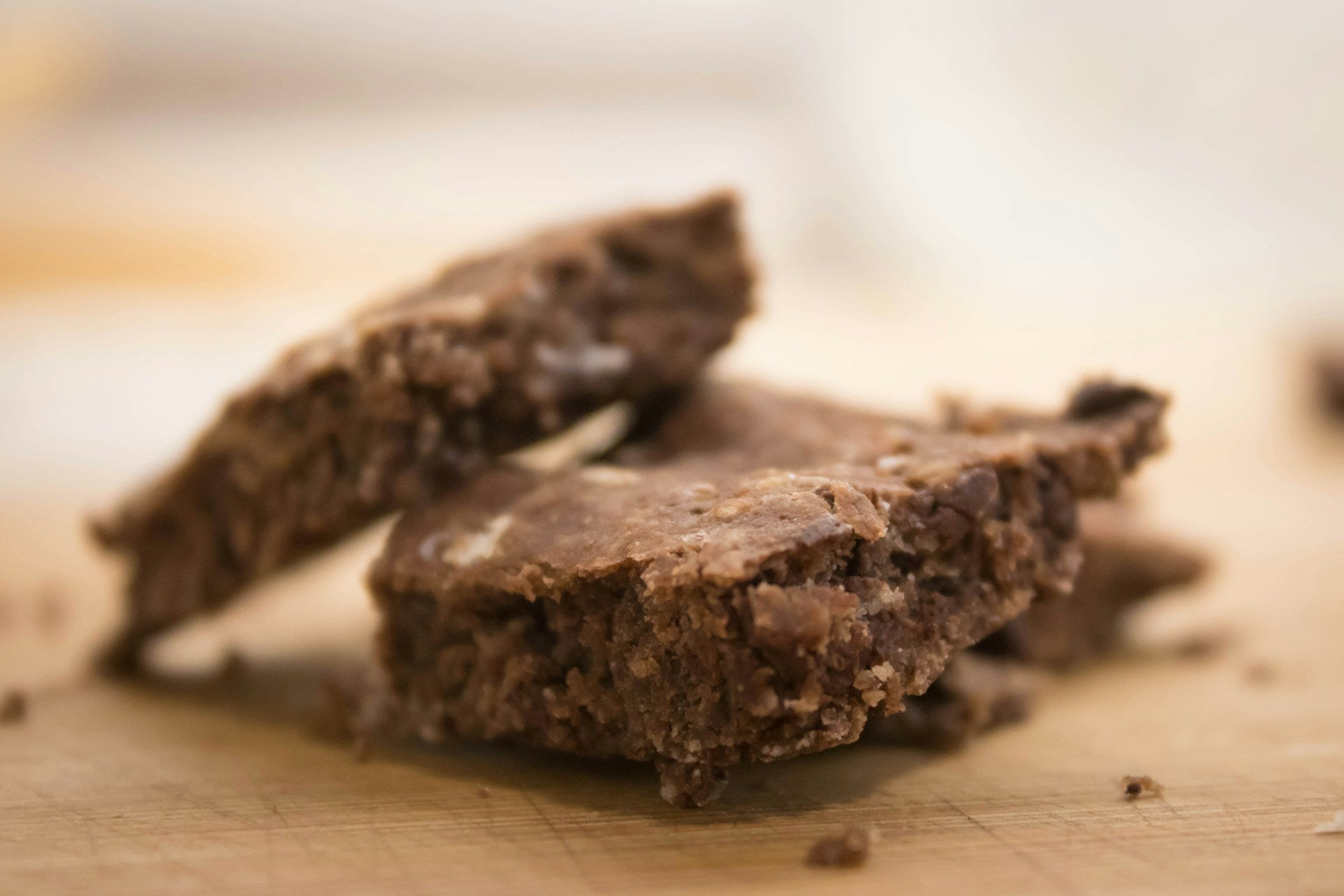
Let's imagine a simple scenario. You've just baked a batch of keto brownies using erythritol. They're fudgy, chocolatey, and smell divine. But there's a catch: the moment you taste them, you notice a distinct coolness that lingers on your palate. It's a common experience for those dabbling in the sugar-free world, raising an important question: how can we enjoy the benefits of erythritol without that icy finish?
What is Erythritol?
Erythritol belongs to a group of sugar substitutes known as sugar alcohols, which also includes sorbitol and xylitol. These alternatives are popular in many diets where reducing sugar intake is the aim. As a sugar alcohol, erythritol has a unique chemical makeup that provides sweetness without the calories. This makes it a star player in low-carb and keto cooking. Unlike sugar, it won't cause a rise in your blood sugar and is generally well-tolerated by most people.
One of the standout qualities of erythritol is its negligible calorie count. For those sticking to a keto plan, it offers a guilt-free sweetening option. But as we've figured out, it's not entirely without its quirks. The cooling sensation it creates occurs due to the endothermic reaction during its dissolution; it absorbs heat rather than releasing it. This effect can be likened to the refreshing coolness you feel when eating a mint, but it may feel out of place in a chocolate cake or brownie.
Understanding these properties doesn't just make you a more informed consumer; it helps you make better choices when adding it to your recipes. While the cooling effect might be unavoidable to some extent, the way we incorporate erythritol could make all the difference between a mildly chilly aftertaste and an overwhelmingly frosty one.
Strategies to Reduce the Cooling Effect
Finding ways to tone down erythritol's cooling touch can transform your keto recipes into treats that compete with their sugary counterparts. Combining erythritol with other sweeteners like stevia or monk fruit is one effective approach. This mix not only balances the flavour but also helps reduce the intensity of the chill. When using these blends, consider starting with a simple 50/50 ratio and adjusting to taste.
Switching to powdered erythritol rather than granulated can make a noticeable difference, too. The finer texture of powdered erythritol dissolves more seamlessly, which can lessen the cooling sensation. If you already have granulated erythritol, a quick whirl in a blender or food processor can turn it into powder form.
Incorporating fats or oils into your recipes is another smart step. Ingredients like butter, coconut oil, or cream cheese can add richness and help mellow the cooling effect. This tactic is especially handy in baked goods, where fats naturally enhance both flavour and texture. Think of adding coconut oil to your keto cookies or a dollop of cream cheese to your frosting to balance out the coolness.
Recipe Adjustments For Better Results
Experimenting with recipes to manage erythritol's cooling effect opens up a range of tasty options. Here are a few adjusted recipe tweaks to consider:
- Balancing Flavours: Add vanilla extract or a small amount of salt to offset the cooling effect. They work by enhancing other flavours, making the peppermint-like chill less prominent.
- Layering Ingredients: Use natural extracts like almond or hazelnut to create a depth of flavour that distracts from the cool aftertaste.
- Sample Recipe Adjustments: Imagine a classic keto chocolate chip cookie recipe. By swapping half of the erythritol for a mix of stevia and powdered erythritol, and adding a tablespoon of coconut oil, you end up with cookies that are less cool on the tongue and more satisfying overall.
Adjusting recipes allows the cooling effect to work for you rather than against your palate. By playing with ingredients, you'll master the art of crafting the perfect keto treat that satisfies both your sweet tooth and your texture expectations.
Enjoying Keto Treats Without the Cool Aftertaste
Achieving a pleasant balance with erythritol in keto treats is all about fine-tuning and trying out new combinations. By blending it with other sweeteners and using powdered forms, you can enjoy your low-carb creations without the unexpected chill. Rich ingredients like butter or coconut oil enhance the mouthfeel and can dampen the refreshing sensation that might interrupt your enjoyment.
As you embark on perfecting your recipes, don't hesitate to experiment with the ratios and blends. Creativity in the kitchen transforms simple recipes into culinary delights. Dive into the diverse world of keto-friendly sweeteners and methods, opening up endless possibilities for tasty, cooling-free treats.
Elevate your keto creations by exploring the perfect blend of sweeteners to minimise that chilly finish in your desserts. At Yo Keto, we provide a diverse selection of keto sweeteners to help you craft delicious treats without the unwanted cool aftertaste. Discover innovative ways to enjoy your favourite flavours while keeping your low-carb goals on track. Engage your culinary creativity with Yo Keto as your guide to satisfying, cooling-free indulgence.