
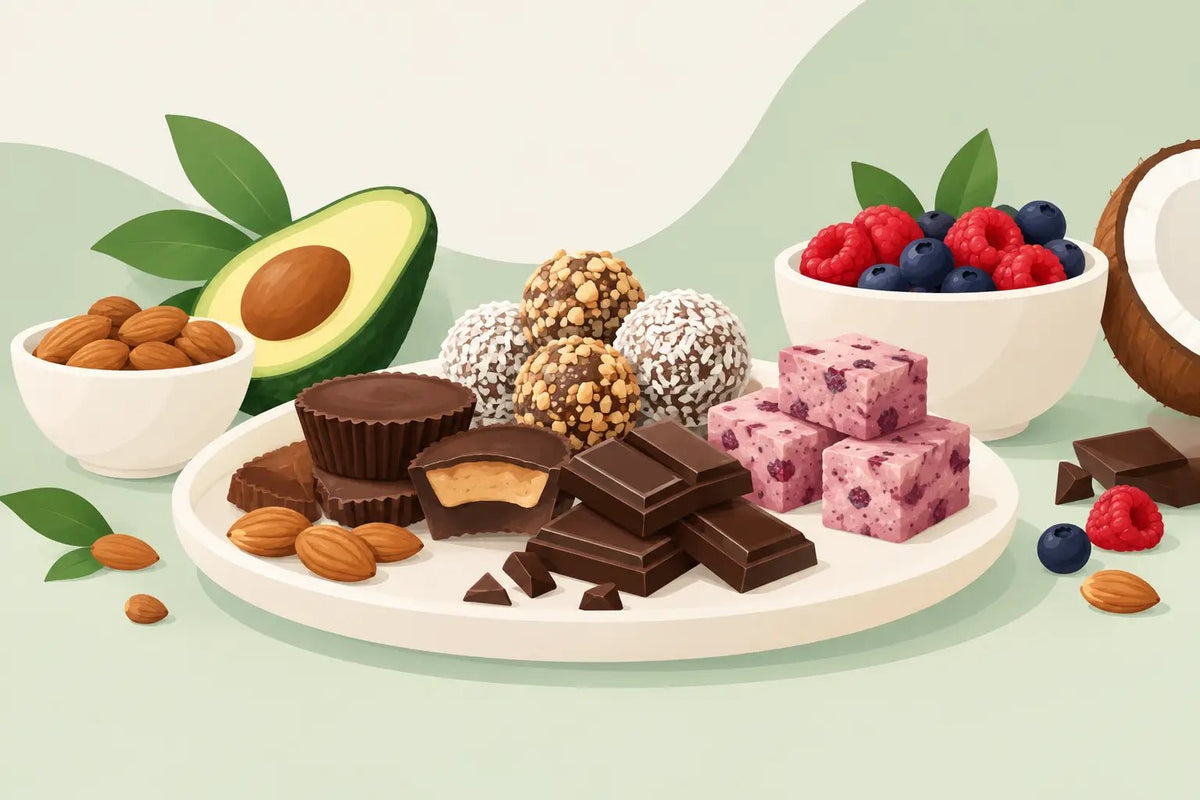
A lolly jar, a square of chocolate after dinner, something sweet with an arvo cuppa - these little rituals matter. Sugar free confectionery gives keto, low-carb and LCHF eaters a way to keep them without automatically loading up on sugar. The key is choosing treats that suit your carbohydrate target, your preferred sweeteners and, just as importantly, your gut.
You’re in the right place if you want sweets that feel like a treat rather than a nutritional compromise. From chewy lollies and chocolate to gummies, caramels and mints, the category has come a long way. But not every product labelled sugar free is automatically keto-friendly, so a little label know-how goes a long way.
What counts as sugar free confectionery?
Sugar free confectionery is a broad term for sweets made without added traditional sugars such as cane sugar, glucose syrup or sucrose. Instead, brands use alternative sweeteners to create sweetness, texture and bulk. That might include erythritol, stevia, monk fruit, xylitol, maltitol or allulose, depending on the product.
For keto and low-carb shoppers, the sugar-free claim is only the starting point. The more useful question is: how many digestible carbohydrates are in a serve, and where do they come from? A sugar free lolly can still contain starches, maltitol or other ingredients that may not fit the way you eat.
That does not make it a bad product. It simply means sugar free and keto are related categories, not interchangeable labels. If you are keeping carbs tightly controlled for ketosis, net carbs and ingredients deserve a closer look. If you are generally reducing sugar, you may have more flexibility.
Why sweetener choice changes the experience
Alternative sweeteners do more than replace sugar. They affect taste, texture, blood glucose response and digestive comfort. There is no single best option for every person, but knowing the common differences makes shopping much easier.
Erythritol, stevia and monk fruit
Erythritol is a sugar alcohol with very few usable carbohydrates for most people. It is popular in keto chocolate, hard lollies and baking-style treats because it provides bulk as well as sweetness. Some people notice a cooling sensation, particularly in products where erythritol is used generously.
Stevia and monk fruit are intensely sweet plant-derived sweeteners, so they are often blended with erythritol or other ingredients to create a more familiar sugar-like texture. Quality varies between products. A well-balanced blend can taste remarkably close to conventional confectionery, while another may have a stronger aftertaste. Personal preference matters here.
Allulose
Allulose is gaining attention in low-carb foods because it behaves more like sugar in recipes than many other alternatives. It can support softer caramels, chewier textures and more rounded sweetness. It is still worth checking the nutrition panel and serving size, but many keto shoppers find allulose-based treats a useful option when they want less of the crystalline texture associated with erythritol.
Maltitol and other sugar alcohols
Maltitol is common in mainstream sugar-free chocolate and lollies. It can taste and behave a lot like sugar, which is why it is widely used. For strict keto eating, though, it is often one to approach carefully because it can contribute more available carbohydrates than erythritol, stevia or monk fruit-based alternatives.
Sugar alcohols can also be a digestive issue for some people, especially in larger serves. If you are new to sugar free confectionery, start with a small portion rather than testing your limits on a full share bag during movie night.
How to read a confectionery label with confidence
A quick scan can tell you whether a treat belongs in your regular rotation, your occasional-treat drawer or someone else’s snack cupboard. Focus on the full panel, not only the front-of-pack claim.
Check these four details before adding a new sweet to your basket:
- Serving size: A tiny listed serve can make the nutrition numbers look lower than the amount you would realistically eat.
- Total carbohydrates and sugars: Low sugar is useful, but total carbs provide more context for keto and low-carb eating.
- Ingredients list: Look for the sweetener used, plus starches, syrups and fillers that may add carbohydrates.
- Your own response: Taste, satiety, digestion and cravings are all useful feedback. A product can look ideal on paper yet not suit you personally.
Finding the right sugar free confectionery for the moment
The best treat is often the one that matches the occasion. A single wrapped chocolate or peppermint can satisfy a post-dinner sweet craving without turning into an open-ended snack session. For road trips, desk drawers and the bottom of the gym bag, portioned lollies or protein-forward bars may be more practical.
Chocolate lovers have plenty to explore, from dark-style blocks and coated bites to baking chips for low-carb slices and cookies. Check the cocoa content, sweetener and carbohydrate count, then decide whether you want an everyday square or a more indulgent weekend option.
For those who miss chewy sweets, sugar-free gummies, fruit-style lollies and caramels can bring back a bit of fun. They are particularly handy for social occasions when a standard lolly bowl is doing the rounds. Just remember that chewy confectionery often relies on sugar alcohols, so moderation is not merely a carb consideration - it can be a comfort consideration too.
Mints and gum deserve a place in the conversation as well. They can be useful after coffee, before a meeting or when you want a clean finish after lunch. Some are very low in carbohydrates, but the same rule applies: check the ingredients rather than assuming every sugar-free option is equal.
Treats that support a sustainable way of eating
A sustainable keto lifestyle is not built on white-knuckling every craving. It is built on routines you can enjoy and repeat. Sugar free confectionery can help preserve familiar food rituals, whether that is a chocolatey finish to dinner, a sweet option at a barbecue or something to share when friends drop by.
That said, it works best as confectionery, not as a replacement for proper meals. If sweets leave you hungrier, trigger more cravings or crowd out the foods that help you feel your best, consider changing the type of treat, the portion or the time you have it. Pairing a sweet with a meal is often different from grazing on it when you are tired and ravenous.
For people managing carbohydrate intake very closely, planning helps. Keep a few favourites on hand, know the serving size and choose products you genuinely enjoy. There is little value in forcing down a chalky protein bar or settling for a lolly that does not taste good just because it fits a macro target.
Build a better keto treat drawer
Variety makes it easier to choose intentionally. A useful keto-friendly stash might include a rich chocolate for slow enjoyment, a shareable lolly option for gatherings, mints for everyday freshness and a baking treat for weekends. If you shop in bulk, reserve larger packs for products you already know suit your taste and digestion.
Yo Keto makes this kind of shopping simpler by bringing sugar-free sweets alongside low-carb pantry staples, baking ingredients and functional nutrition. That means you can stock the practical essentials and add a treat that fits your routine in the same order, whether you are starting keto or have been living low-carb for years.
The goal is not to make every sweet food an everyday habit. It is to have satisfying choices ready when you want one, so your way of eating still has room for pleasure, celebration and a genuinely good bit of chocolate.