
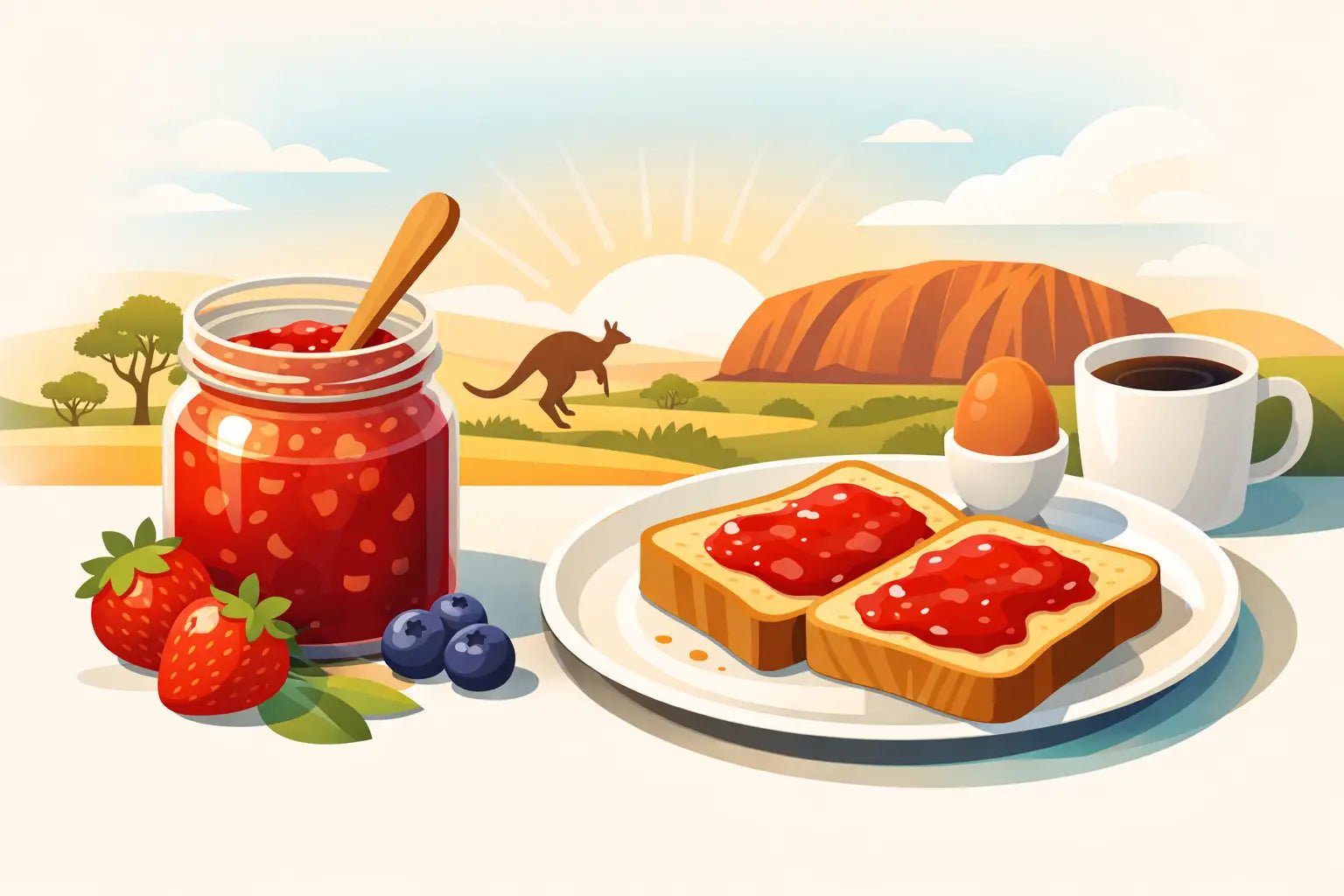
A good jam should make breakfast feel like breakfast - whether it is spread over low-carb toast, spooned into yoghurt or paired with a cheese platter. That is why the sugar free jam Australian shoppers choose needs to do more than simply skip the white sugar. It should bring real berry flavour, a satisfying set and carb numbers that suit the way you eat, and a list
For keto, low-carb and sugar-free households, jam is one of those small pantry swaps that can make a big difference. A traditional fruit preserve can pack a surprising amount of sugar into a modest serve, while a well-chosen sugar-free option keeps the ritual without turning your toast into dessert. You are not giving up the classics. You are just choosing ingredients that work harder for your goals.
What sugar-free jam actually means
The phrase “sugar free” can sound straightforward, but labels deserve a closer look. Fruit naturally contains sugars, so a jam made with berries may still show some sugars on its nutrition information panel even when no table sugar has been added. The key is understanding whether those sugars come naturally from the fruit, and what has been used to create sweetness and texture instead.
“No added sugar” and “sugar free” are not always interchangeable. A no-added-sugar preserve might rely on concentrated fruit juice, dates or other naturally sweet ingredients. That can be a better fit than conventional jam for some people, but it is not automatically a low-carb choice. If you are watching total carbohydrate intake or aiming to stay in ketosis, the nutrition panel matters more than the front-of-pack promise.
A keto-friendly jam is usually built around lower-sugar fruit, a suitable sweetener and a gelling ingredient such as pectin. Berries are a popular base because they deliver bold flavour without the carbohydrate load of many tropical fruits or fruit concentrates. Raspberry, strawberry, blackberry and mixed berry varieties tend to be familiar, versatile choices for the everyday pantry.
How to choose sugar free jam in Australia
Start with the nutrition information panel, not the marketing language. Compare total carbohydrate and sugars per 100 g, then check the stated serving size. Per-serve figures are useful for planning breakfast, but the per-100 g column makes it easier to compare one jar with another.
Ingredients tell the rest of the story. Look for a recognisable fruit base and a sweetener you are comfortable eating regularly. Pectin helps create that classic spoonable jam texture, while citric acid may add brightness and help preserve colour and flavour. These are common jam ingredients, not red flags in themselves.
The most useful label checks are:
- total carbohydrates and sugars per serve and per 100 g
- the sweetener used and where it appears in the ingredient list
- whether the fruit is whole, puréed or concentrated
- the serving size, particularly if you tend to use a generous spoonful
This does not mean every product needs to be perfect on every measure. Some people prioritise the lowest possible carbs. Others are happy with a slightly higher-carb berry preserve if the ingredients are simple and the flavour is worth it. Your best choice depends on how it fits across the rest of your day.
Sweeteners and why they change the experience
Sugar is not only sweet. In traditional jam, it also adds body, gloss and preservation. Removing it means a manufacturer has to balance flavour, texture and shelf life in other ways. That is why sugar-free jams can vary so much from jar to jar.
Erythritol is common in low-carb foods because it contributes sweetness with minimal impact on carbohydrate counts. Some people notice a cool sensation or a slightly crystallised texture, particularly when the jam is chilled. Stevia and monk fruit are intensely sweet, so they are usually blended with other ingredients to avoid bitterness and create a more rounded taste.
Allulose is another sweetener keto shoppers may come across. It behaves more like sugar in some recipes and can offer a softer, more traditional sweetness. Availability and formulation differ between products, so it is still worth checking the complete ingredient list rather than assuming all sugar-free jams taste the same.
If you are new to keto, try one flavour before filling the cupboard. Sweetener preferences are personal. The jam with the best nutrition panel will not become a regular favourite if you do not enjoy it on your morning toast.
Carbs, portions and the low-carb way to use jam
Even a low-carb jam works best as a flavour accent rather than half the jar at once. A tablespoon can be enough to brighten a meal, especially when you pair it with foods that add protein and healthy fats. Think cream cheese on seeded crackers, Greek-style yoghurt with chia, or low-carb bread with butter and a thin layer of berry jam.
Portion awareness is not about making food joyless. It is about knowing what is on the plate. If you track net carbs, use the product’s label and your preferred tracking approach consistently. Fibre treatment can vary between products and apps, and Australian labels already present carbohydrate information differently from some overseas nutrition panels. When in doubt, work from the local label in front of you.
Jam can also add variety beyond breakfast. Stir a small spoonful through plain yoghurt, swirl it into chia pudding, top a low-carb cheesecake, or use it with brie, camembert or sharp cheddar on a grazing board. A tart berry variety can even work in a quick glaze for roasted meats when balanced with vinegar, herbs and a little mustard.
Texture matters more than most people expect
The first sugar-free jam you try may not have the exact wobble, shine or spread of the supermarket jam you grew up with. That is normal. Sugar changes the physical structure of a preserve, and lower-sugar recipes need different techniques to create a set.
A softer jam is often excellent folded through yoghurt or used as a dessert topping. A firmer one may be better for toast, baking or filling thumbprint biscuits. If a jar separates slightly, give it a stir. If it is too firm straight from the fridge, leave your portion on the bench for a few minutes before spreading it.
Storage is part of the equation too. Follow the label directions after opening, use a clean spoon and keep the lid secure. Sugar-free products may not have the same preserving effect as conventional high-sugar jams, so refrigeration and use-by guidance are worth taking seriously.
Building a better low-carb pantry
The easiest eating habits are the ones supported by what you have on hand. Keeping a sugar-free jam beside low-carb crackers, nut butters, baking mixes and a few reliable breakfast staples means a quick meal does not need a compromise. It is a small detail, but it helps familiar foods stay on the menu.
At Yo Keto, the goal is to make those everyday choices easier to find, whether you are after a sweet spread for weekend brunch or a lower-sugar ingredient for baking. A curated low-carb pantry lets you choose based on flavour, ingredients and your own carbohydrate target, rather than settling for whatever happens to be on a standard supermarket shelf.
When a different spread may suit better
Jam is not always the answer, even when it is sugar free. If you want more protein and staying power, nut butter with a few crushed berries may suit your breakfast better. For a savoury keto cracker topping, cream cheese, avocado or pâté can be a more satisfying choice. And if you are keeping carbs especially tight for a period of focused keto eating, a very small serve of jam - or none at all - may be the most comfortable option.
That flexibility is one of the strengths of low-carb eating. You can enjoy the foods and flavours you love, then adjust the details to suit your preferences, appetite and goals. A quality sugar-free jam earns its place in the fridge not because it imitates conventional jam perfectly, but because it gives you a genuinely enjoyable option for the way you choose to eat.
Sugar Free Jam at Yo Keto
If you are looking to enjoy your morning toast or baking without the sugar crash, Yo Keto's range of low-carb jam collection has you covered.
Our lineup is prominently led by Aunt Mary's Jam, which offers a massive variety of zero-sugar flavours ranging from classics like Strawberry, Raspberry, and Plum to unique combinations like Rhubarb & Apple and Chilli Strawberry.
For those who prefer a fruit spread, the collection also features Pure Eden, providing 97% sugar-free options in traditional favourites like Blueberry and Apricot. Whether you are strictly following a ketogenic lifestyle or simply cutting back on sugar, these innovative brands ensure you can still enjoy a thick, sweet spread without compromising your health goals.