
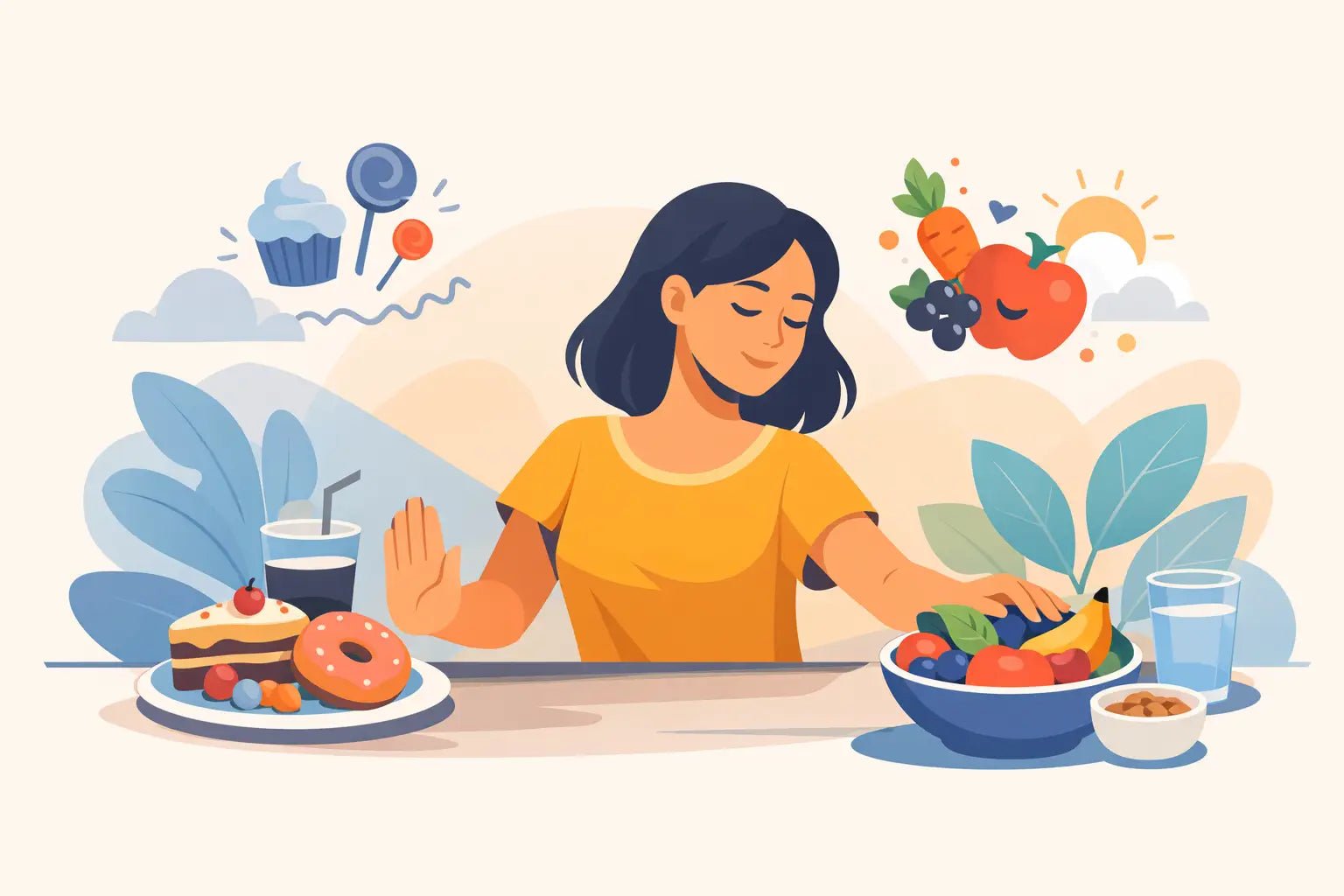
That 3 pm pull towards the biscuit tin is rarely a sign that you lack willpower. For many people, it is the predictable result of an under-fuelling lunch, a rushed morning, poor sleep or a habit built around finishing meals with something sweet. Learning how to reduce sugar cravings is less about white-knuckling your way past chocolate and more about giving your body satisfying, lower-carb alternatives before the urge takes over.
For keto, low-carb and sugar-free eaters, you are in the right place. A few practical changes can make cravings quieter, meals more enjoyable and your pantry far easier to navigate.
Start with meals that actually satisfy
A sugar craving often starts as hunger in disguise. If breakfast is only coffee, or lunch is a light salad without enough protein and fat, your body may start looking for the quickest available energy. Sweet foods are convenient, familiar and very easy to overeat when you are genuinely hungry.
Build meals around a solid protein source, low-carb vegetables and enough dietary fat to keep you full. That could look like eggs with avocado and sauteed spinach at breakfast, a chicken salad with olive oil and feta at lunch, or mince with cauliflower mash and buttered greens for dinner. The exact portions depend on your goals, appetite and activity level, but the principle stays the same: do not leave meals feeling like you have only had a side dish.
Protein is particularly useful when cravings hit often. It tends to be more filling than a carb-heavy snack and helps make meals feel complete. If you train regularly, are eating in a calorie deficit or have a physically demanding day, your protein needs may be higher than you expect.
How to reduce sugar cravings by managing your carbs
Going from a high-sugar diet to very low carb can feel like a big adjustment at first. Your palate has been trained to expect a certain level of sweetness, and many packaged foods contain added sugar where you would not necessarily expect it - sauces, flavoured yoghurt, cereal, protein bars and even some savoury snacks.
For some people, a clean break from sugary foods is the easiest route. For others, slowly swapping regular treats for low-carb versions is more sustainable. Neither approach is morally superior. The best approach is the one that helps you stick with your chosen way of eating without feeling constantly restricted.
Read labels with a practical eye. Look at carbohydrates per serve and per 100 grams, check the ingredients list, and be mindful that serving sizes can be surprisingly small. Sugar-free does not always mean low carb, especially when starches or high-carb fillers are involved.
If sweeteners work well for you, they can be a helpful bridge. Monk fruit, stevia and allulose are popular choices in low-carb baking and treats. Erythritol suits many people too, although some find sugar alcohols cause digestive discomfort or leave a cooling aftertaste. It depends on the ingredient, the amount you have and your own tolerance.
Keep a better option within reach
Cravings become much harder to handle when the only nearby choices are office lollies, servo chocolate or whatever is left in the cupboard. A little preparation removes that decision point.
Keep a few satisfying options where you need them most: at home, in your desk drawer, in your gym bag or in the car. Think sugar-free chocolate, low-carb protein snacks, nuts, cheese crisps, keto crackers with a savoury spread, or a portioned serve of nut butter. A hot drink can help too, especially after dinner when the craving may be more about routine than hunger.
Portioning matters, even with low-carb products. A sugar-free chocolate bar can fit comfortably into your lifestyle, but eating it automatically every evening may keep the sweet-snack habit running. Put a serve on a plate, enjoy it properly, then move on with your night.
At Yo Keto, the wide range of snack foods, chocolate, baking ingredients and pantry staples makes it easier to keep substitutions on hand without turning every craving into a supermarket scavenger hunt.
Do not overlook fluids and electrolytes
Dehydration can feel a lot like hunger: a flat afternoon, a headache, irritability and a strong desire for something quick. This is especially relevant when you first reduce carbohydrates. As insulin levels fall, the body often releases more sodium and water, which can leave you feeling off if you do not replace fluids and electrolytes.
Start with water, then consider whether you are getting enough sodium, potassium and magnesium through food and an electrolyte product that suits your eating plan. Fasting electrolytes can be particularly handy for people who prefer intermittent fasting or who want hydration without added sugar.
This is not a reason to force litres of water or load up on supplements without thought. If you have kidney disease, high blood pressure, take medication or have been advised to limit electrolytes, check with your health professional first. For everyone else, steady hydration across the day is usually more useful than trying to catch up late at night.
Change the cue, not just the food
Some cravings are physiological. Others are linked to a place, time or feeling. Maybe you always want dessert while watching television, crave a muffin on the commute, or reach for lollies when a work task becomes frustrating. Once you spot the cue, you can plan a response that is not simply “try harder”.
If the after-dinner sweet craving is strong, make a new finish-line ritual. Brush your teeth, make peppermint tea, take a short walk, or have a planned low-carb dessert a few nights a week rather than improvising every night. If afternoons are your danger zone, eat a more substantial lunch and schedule a snack before you are ravenous.
Sleep deserves a mention here too. One short night can make sugary food look much more appealing the next day. You do not need a perfect bedtime routine to see a benefit. A more consistent sleep window, less late-night scrolling and a proper dinner can reduce the number of times you are negotiating with yourself in front of the pantry.
Make your favourite rituals low carb
Trying to erase every enjoyable food ritual usually backfires. The goal is not to make food boring. It is to keep the comfort, flavour and occasion while changing the ingredients that do not support how you want to eat.
Love a Friday-night dessert? Make a low-carb cheesecake, mug cake or chocolate mousse using a suitable sweetener. Missing toast at breakfast? A low-carb bread mix, toasted with butter and a savoury topping, can make mornings feel familiar again. Need a sweet hit with your coffee? Choose a small sugar-free chocolate or a homemade slice rather than relying on willpower at the cafe counter.
This is where experimenting helps. Some people are happiest with occasional keto-friendly desserts. Others notice that even low-carb sweet foods keep their cravings louder, so they feel better leaning into savoury snacks for a while. Pay attention to what happens after you eat it. Do you feel satisfied, or does it send you searching for more? Your answer is useful information, not a rule you have failed to follow.
Give cravings time to settle
Taste preferences can change faster than most people expect. After a few weeks of fewer highly sweet foods, berries may taste sweeter, dark chocolate may become more enjoyable, and a soft drink may taste almost overpowering. The early adjustment period can be uncomfortable, particularly if sugar has been a regular source of comfort or energy, but it does not last forever.
Avoid the all-or-nothing trap. One sugary snack does not undo your progress or mean you should write off the day. Return to your next planned meal, drink some water and make the next choice easier. Consistency beats perfection, especially when you are building habits that need to work during busy weeks, weekends away and family celebrations.
If cravings feel extreme, come with frequent shakiness or binge eating, or are tied to diabetes, medication changes or an eating disorder history, speak with a GP or accredited practising dietitian. Personal support is a strength, not a setback.
Tonight, make one small move that helps tomorrow: prepare a satisfying breakfast, put a low-carb snack in your bag, or choose a dessert alternative you will genuinely look forward to. The quieter relationship with sugar is built one ordinary choice at a time.